
By Ebrahim Khalil
Edited By ~ Hubaib Chowdhuy
A member of RPS| Photographer| Humanitarian worker | Documentary Photographer | Content Creator
Introduction
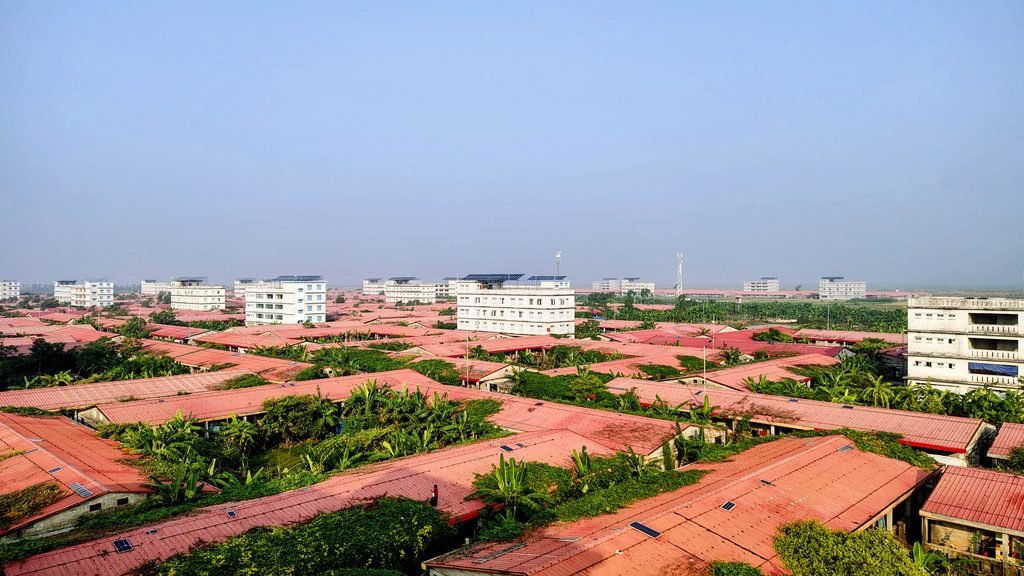
Bhasan Char is an island in the Bay of Bengal, located in the Noakhali District of Bangladesh. Since 2020, thousands of Rohingya refugees have been relocated to the island by the Government of Bangladesh. Many residents continue to face significant challenges in their daily lives, particularly the lack of income-generating opportunities and the high cost of food. These difficulties affect household finances, food security and the overall well-being of the Rohingya community.
Lack of Income-Generating Opportunities
One of the major challenges facing Rohingya refugees in Bhasan Char is the lack of reliable income sources. Many families depend on humanitarian assistance to meet their basic needs, as opportunities to earn a regular income remain limited. Without sustainable livelihoods, households often struggle to cover daily expenses and support their family members.
Some educated Rohingya residents have managed to find employment with humanitarian agencies and other organizations operating on the island. However, these opportunities are limited and are not accessible to the wider community. Many residents, including young people, remain unable to find suitable work, regardless of their willingness to contribute to their families and community.
The lack of employment opportunities also prevents residents from developing their skills, gaining work experience and becoming more financially independent. Consequently, many families continue to experience economic uncertainty and hardship.
Agricultural Challenges in Bhasan Char
To address this situation, more livelihood programmes, vocational training, skills-development initiatives and income-generating activities are needed. Providing safe and appropriate opportunities for residents to work could help families improve their living conditions, strengthen their independence and contribute positively to their community.

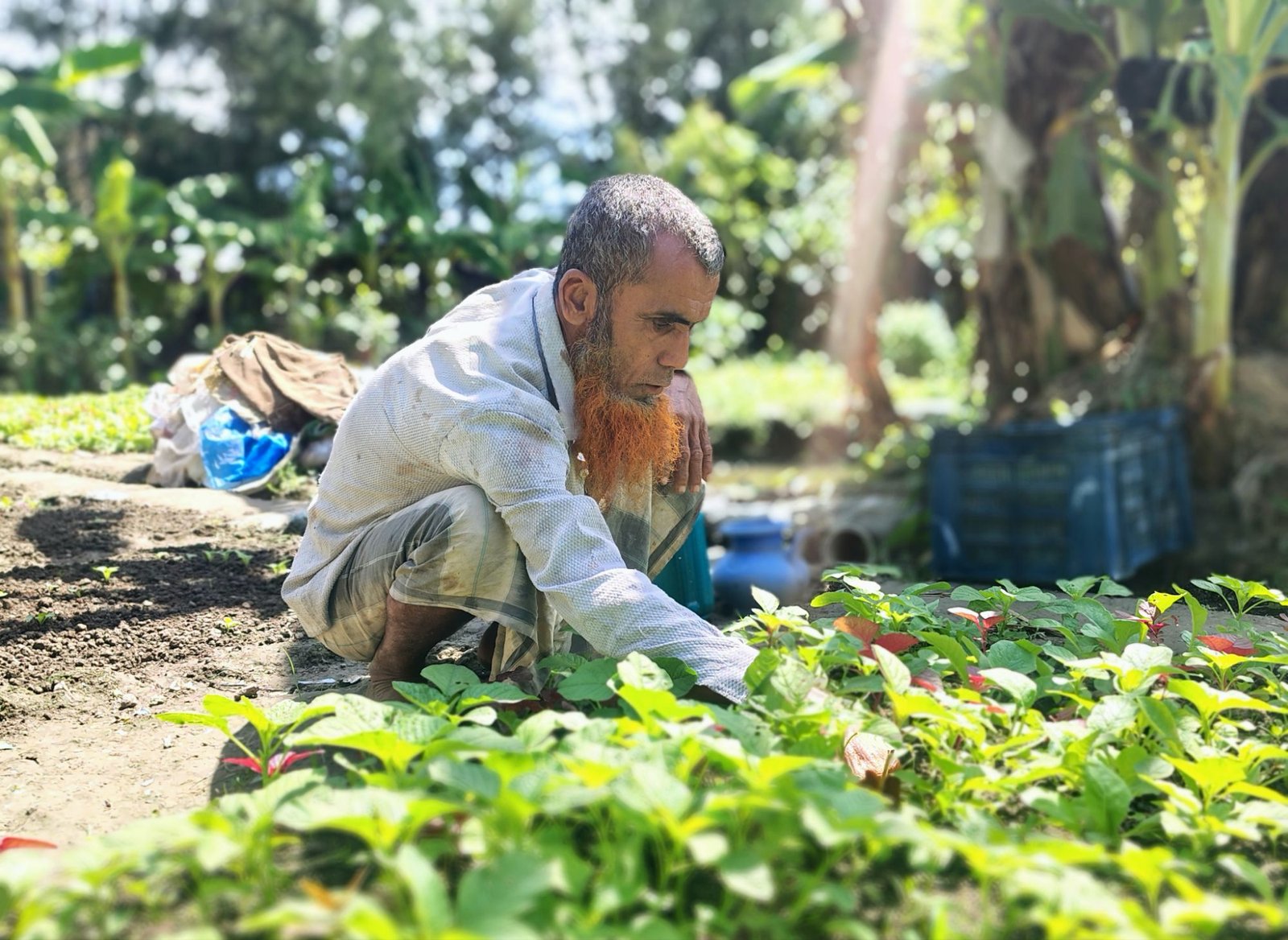
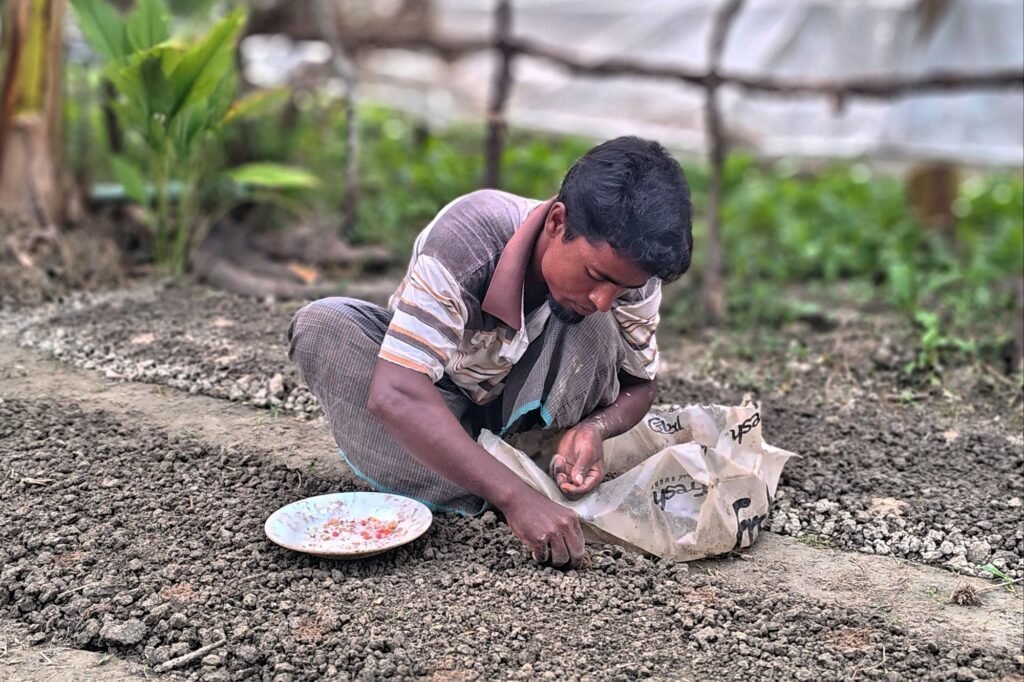
Several Rohingya residents in Bhasan Char engage in small-scale agriculture to support their families and meet their daily needs. They work hard to grow vegetables and other crops despite challenging environmental conditions. However, soil salinity can make cultivation difficult by affecting plant growth, reducing crop yields and limiting the types of vegetables that can be grown successfully. As a result, these farmers often struggle to produce enough crops to support their households. Access to salt-tolerant seeds, suitable farming techniques, agricultural training and expert guidance could help them overcome these challenges and improve their livelihoods and food security.
High Prices of Food Items and Vegetables
Another major concern for Rohingya refugees living in Bhasan Char is the high cost of food items and vegetables. Many households have little or no regular income, making it difficult for them to purchase additional food and other essential goods when humanitarian assistance does not fully meet their needs.

Two young Rohingya people are selling vegetables, earning 1,000 for their daily life. ©Ebrahim Khalil
The high prices of food and vegetables place considerable pressure on household budgets. When food costs rise while purchasing power remains low, families may struggle to maintain a balanced and nutritious diet. Some households may be forced to reduce the quantity or variety of food they consume to cope with their limited resources. This situation can increase food insecurity and nutritional concerns, particularly among children, older people, persons with disabilities and other vulnerable individuals.
Although humanitarian assistance helps meet some basic needs, families may still face financial difficulties when purchasing fresh vegetables, fruits, fish, meat, eggs and other nutritious foods. Limited livelihood opportunities and a lack of regular income make it even more challenging for many households to afford these essential items. Consequently, the combination of high prices and limited financial resources can create additional hardship for Rohingya families.
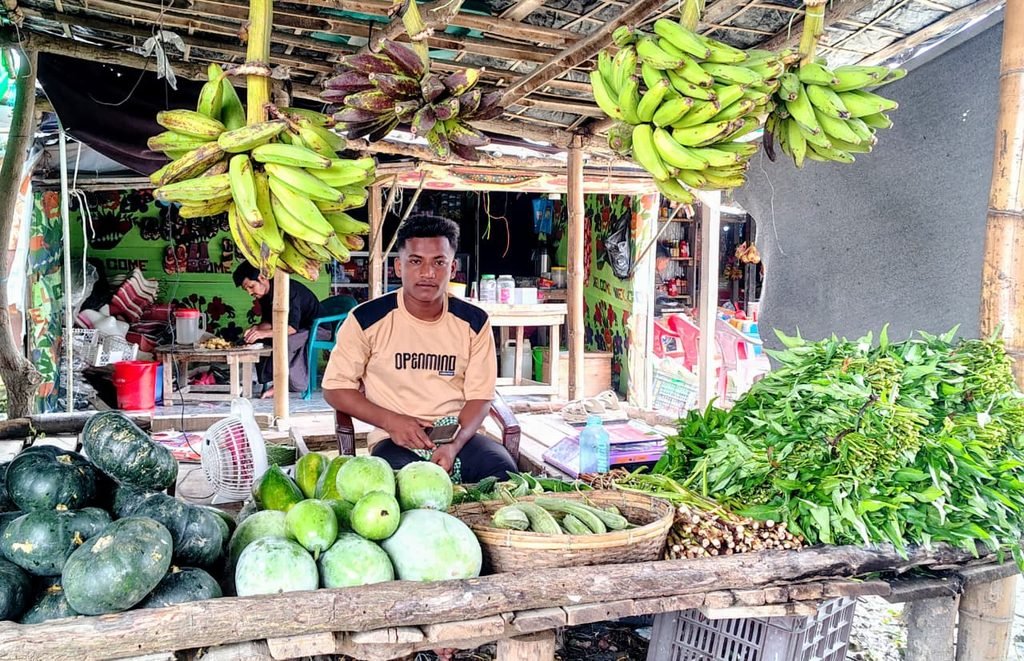
Mohammed Kaiser is a shopkeeper, selling and surviving with basic needs. © Ebrahim Khalil.
Addressing this challenge requires regular monitoring of market prices, improved access to affordable and nutritious food, and expanded livelihood opportunities. Supporting local agricultural activities, where feasible, could also help improve the availability of fresh vegetables and other food products. Continued humanitarian assistance and practical measures to reduce the burden of food expenses are essential to help vulnerable families maintain food security and meet their nutritional needs with dignity.
Sustainable Solutions to overcome the challenges
The challenges of unemployment and high food and vegetable prices are closely connected. When families have no reliable source of income, even small increases in the cost of essential goods can make their lives more difficult. Therefore, addressing these problems requires a comprehensive approach that considers both immediate humanitarian needs and long-term livelihood opportunities.
Humanitarian organizations, relevant authorities and other stakeholders should explore ways to expand skills training, create appropriate employment opportunities, support small-scale livelihood activities and improve access to affordable essential goods. Particular attention should be given to young people, educated residents who lack employment opportunities and vulnerable households.
Rohingya refugees should also have opportunities to develop their abilities, use their skills and participate meaningfully in community life. With appropriate support and sustainable programmes, residents could become better equipped to manage their household expenses and improve their living conditions.
Conclusion
Life in Bhasan Char remains challenging for many Rohingya refugees, particularly those who lack regular income and struggle with the high cost of food. Although humanitarian assistance plays an important role in meeting basic needs, long-term solutions are also necessary to reduce financial hardship and improve food security.
Creating more livelihood opportunities, providing vocational and skills-based training and ensuring access to affordable food are important steps towards improving living conditions in Bhasan Char. Every family deserves the opportunity to live with dignity, meet its basic needs and build a more secure future. Addressing these challenges should remain an important priority for all stakeholders working to support the Rohingya community.