

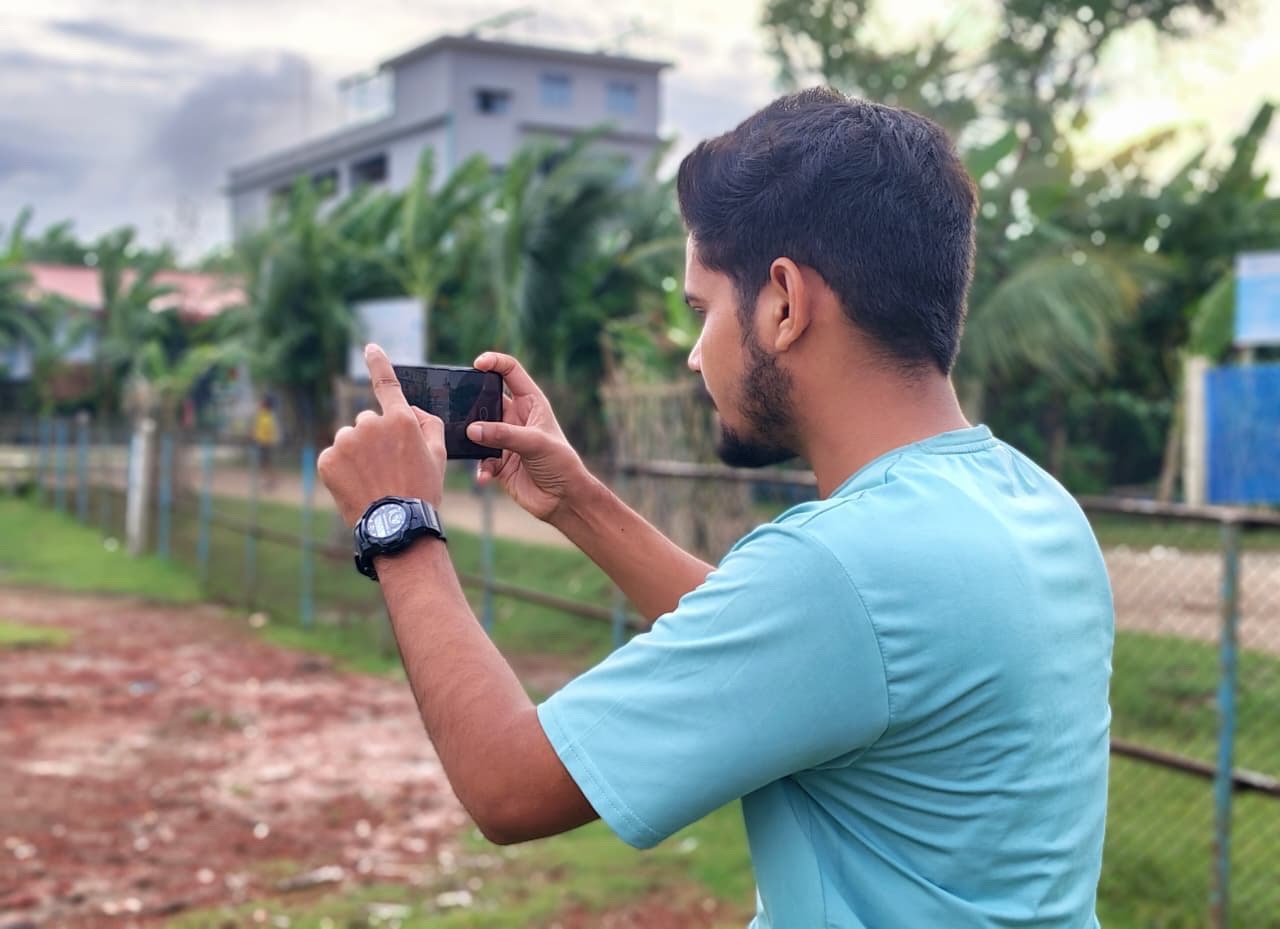
Ebrahim Khalil’s Story of Loss, Survival and Hope
By Ebrahim Khalil
Edited By ~ Hubaib Chowdhuy
Cox’s Bazar,Bangladesh
My Life Before Displacement
Ebrahim Khalil, a Rohingya youth from Taung Shaung village, Maungdaw Township, Rakhine State, Myanmar. Before 2017, I lived in my homeland, surrounded by my community, familiar places and memories that remain deeply connected to my identity.
Like other young people, I had dreams for my future. I wanted to pursue my education, develop my abilities, support my family and build a meaningful life. I never imagined that I would one day be forced to leave my homeland and become a refugee in another country.
Myanmar was not simply the place where I was born. It was my home, my history and the land to which my family and community belonged. I had never imagined that I would have to leave everything familiar behind and begin a new life far away from the place I called home.
The Beginning of My Journey into Exile
In 2017, my life changed dramatically as violence and persecution against Rohingya communities spread across Rakhine State. Many Rohingya families experienced terrible suffering and countless people were forced to flee their homes in search of safety.
Villages were burned, families were separated and people lost relatives, homes and possessions. Our mothers and sisters were raped by Junta militaries, our Rohingya people were slaughtered and massacred and our children were thrown away on fire in Rakhine State Myanmar. The fear of violence made ordinary life impossible for many communities. People who had lived in their ancestral villages for generations suddenly faced the terrifying reality of having to escape.
For Rohingya families, survival became the most urgent priority. People had to leave behind their homes, belongings and familiar surroundings. Many fled with only what they could carry, uncertain about where they would go or what would happen to them along the way.
The crisis was not merely a political event or a story reported in the news. It was a human tragedy that affected the lives, hopes and futures of countless people, including children and young people like me.
I never chose to become a refugee. I did not leave Myanmar because I wanted to experience life in another country. I was part of a community whose security and future had been devastated by persecution and forced displacement.
Leaving my homeland meant leaving behind a part of my life that could never simply be replaced. The memories of my village, my community and the life I had known became part of the story I would carry with me into exile.
Crossing into Bangladesh: Searching for Safety
My journey from Myanmar to Bangladesh marked the beginning of a completely different chapter in my life. Leaving my homeland was not an ordinary journey. It was part of the desperate search for safety that so many Rohingya families experienced during the 2017 crisis and 1.2 million Rohingya have been in Bangladesh.
Crossing the border meant entering an unfamiliar environment and facing an uncertain future. Bangladesh became a place of refuge for me and many other Rohingya who had fled violence and persecution.
Although reaching Bangladesh offered an opportunity to escape the immediate dangers we feared, it did not mean that our suffering had ended. We had survived displacement but we still faced the challenges of rebuilding our lives without our homeland.
For me, the journey represented the painful distance between the life I had known in Myanmar and the uncertain future awaiting me in Bangladesh.
I had left behind my ancestral homeland but I carried my identity, my memories and my hopes with me. Even when everything around me changed, I remained Rohingya, with a deep connection to the place where my story began.
My First Years in Cox’s Bazar Refugee Camp
After arriving in Bangladesh, I had been living in Naikon Chore with my family in Zero point for 6 months then I had been living in Modhurchora Camp 4, UU Zone, in Cox’s Bazar for nearly 3 years trying to adapt to a new life in a refugee camp.
Life in the camp was very different from the life I had known in Myanmar. I was no longer living in my ancestral homeland. Instead, I was part of a displaced community dependent on humanitarian assistance and facing uncertainty about the future.
The camp brought together many Rohingya families who had experienced similar losses. Behind every shelter was a family with its own history of displacement, suffering and hope. Everyone had a story and many carried painful memories of the homes and loved ones they had left behind.
Living in a refugee camp taught me that displacement is about much more than losing a house. It can interrupt education, limit opportunities, separate people from their communities and make it difficult to plan for the future.
As a young person, I wanted to learn, grow and develop my abilities. However, living as a refugee meant facing circumstances that could restrict my opportunities and make my future uncertain.
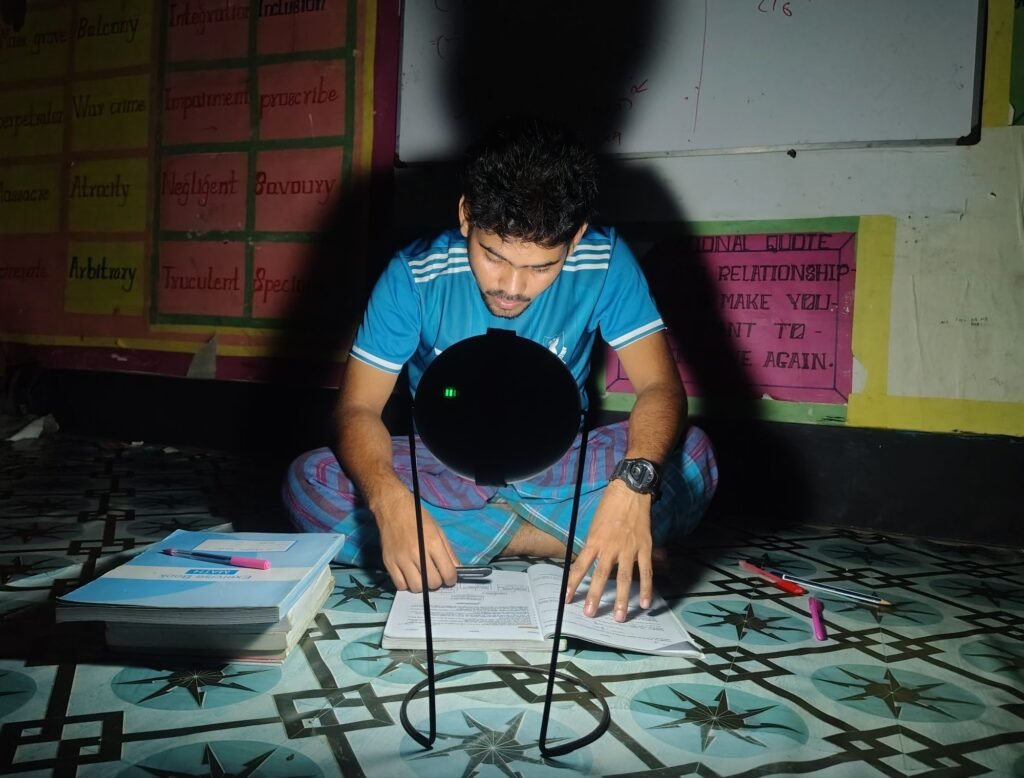
“I began my journey with the pain of losing my homeland but I will continue it with the power of education, the courage to speak and the determination to build a better future. My circumstances may tell the world where I live but my achievements will show the world who I am.”
— Ebrahim Khalil |
From One Place of Refuge to Another
On 2 March 2021, my family and I were relocated by the Government of Bangladesh from Cox’s Bazar to Bhasan Char.
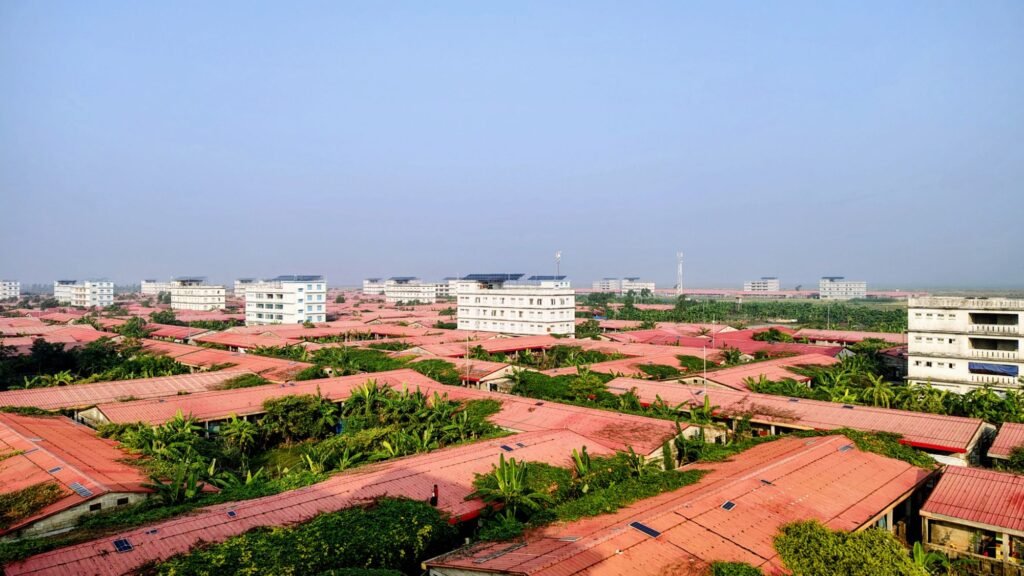
Once again, I had to adapt to a new environment and another chapter of life in displacement. Moving to Bhasan Char did not mean returning to my homeland. It meant continuing my life as a refugee in another place in Bangladesh.
My journey had taken me from Myanmar to Cox’s Bazar and then to Bhasan Char. Each move changed my surroundings, but none restored the life I had lost in my ancestral homeland.
The memories of Myanmar remained with me. My identity remained unchanged and my hope of returning home safely continued.
Looking back, I understand that my journey has involved more than moving from one location to another. It has been a journey through uncertainty, adaptation, interrupted dreams and the determination to keep moving forward.
My Hopes for the Future
Although forced displacement has changed the direction of my life, I still believe that my future can be meaningful. I want to continue my education, improve my English, develop my skills and contribute to the well-being of my community.
I also want the world to recognize that Rohingya youth have abilities, ambitions and ideas that deserve opportunities to grow. We are not simply refugees waiting for assistance. We are human beings who want to learn, work, serve our communities and build better futures for ourselves and our families.
My greatest hope is to return to Myanmar one day under safe, voluntary, dignified and sustainable conditions. I want to return to a homeland where my identity is respected, my rights are protected and my family and community can live without fear of persecution.
For me, returning home means more than crossing a border. It means being able to live with dignity, freedom, security and a genuine sense of belonging.
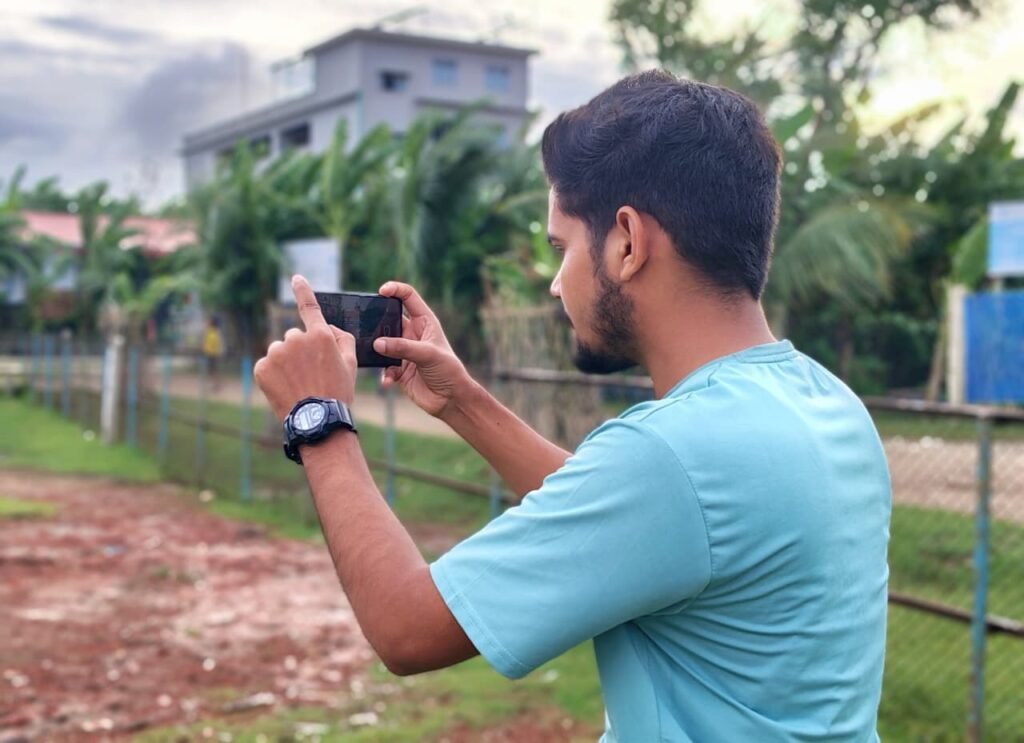
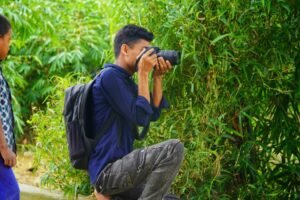
Until that day comes, I will continue learning, serving my community as a photographer and speaking about the experiences and aspirations of my people.
Conclusion: A Journey That Continues
Ebrahim Khalil, a Rohingya youth from Taung Shaung village, Maungdaw, Myanmar. Displacement in 2017 changed my life, but it never took away my dreams. Despite the challenges of refugee life, I remain committed to education, justice, and hope. I believe my journey is not only a story of loss and survival but also of resilience and determination. I dream of returning safely to my homeland, living with dignity, and building a brighter future for my people.


One Response
Heart touching.