
Preserving the Legacy of Our Ancestors, Community Leaders, Religious Scholars and Cultural Heritage
By Mohammed Ayaz
A Rohingya photographer, Documentary storyteller, CODEC teacher, An artist, A member of RPS and Best Shot Winner.
Edited By ~Hubaib Chowdhury
Introduction
The history of the Rohingya people is a history of deep roots, courage, faith, leadership, education, and remarkable contributions to society. Long before the present refugee crisis, Rohingya communities had established villages, religious institutions, educational centres, and systems of traditional leadership in their ancestral homeland of Arakan.
Yet, decades of persecution, displacement, and the destruction or loss of historical records have placed much of this rich heritage at risk of being forgotten.
Despite these challenges, some Rohingya families have preserved precious photographs, identity documents, historical records, religious manuscripts, and personal belongings passed down through generations. These materials offer valuable connections to the lives, identities, and contributions of our ancestors.
This article documents the stories of remarkable individuals, community leaders, religious scholars, and their descendants. By bringing together family memories, historical accounts, and preserved artifacts, we aim to protect our collective heritage and ensure that future generations understand their roots, honour their ancestors, and recognise the contributions of those who came before them.
U Nobi Huson: A Man of Courage and Sacrifice
U Nobi Huson, also known by his Burmese name, U Tha Kyaw Mong, was born on 1944. He was a Rohingya man who served in the military in 1969. He was originally from Aung Seik Pying village, also known as Dhum Bhai (Redah), in Maungdaw Township, Arakan State, Myanmar.
According to family and community accounts, after his retirement, he witnessed serious abuses committed against villagers by other military personnel, including rape, torture, and extortion. Rather than remaining silent, he tried his best to protect his community and defend the rights and dignity of his people.
Tragically, his courage came at a terrible cost. He was reportedly kidnapped by other military personnel and killed in a forest east of his village.
His story represents the bravery of a man who stood up against injustice and risked his own life to protect his community. His sacrifice deserves to be remembered as an important part of Rohingya history.
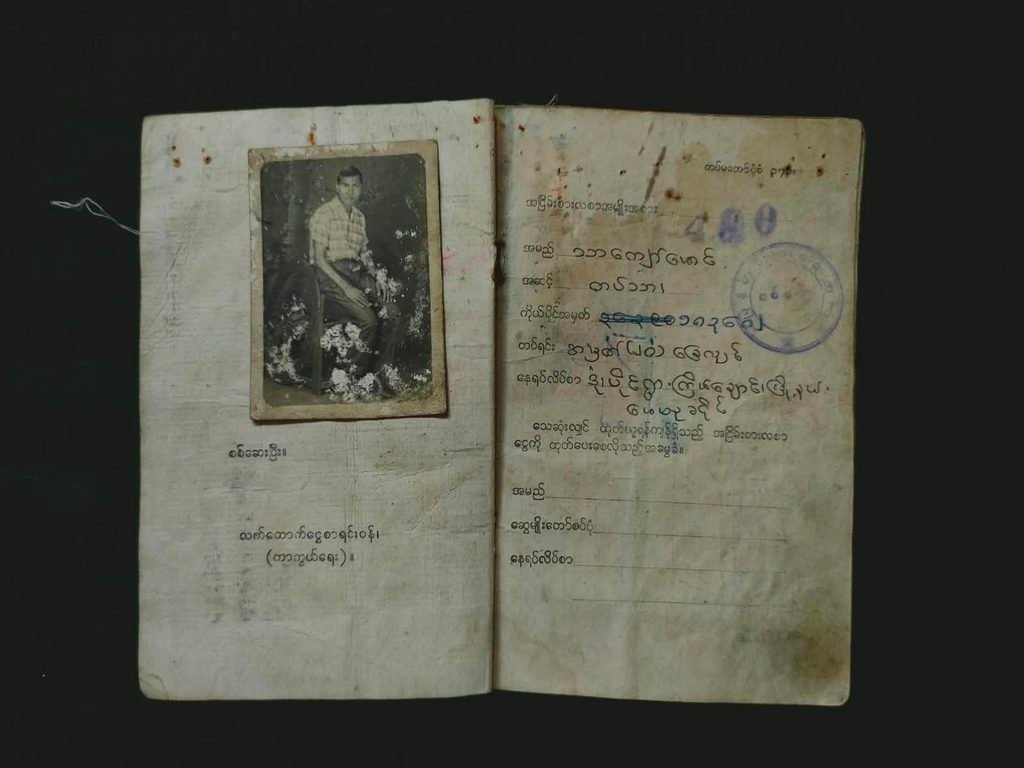
Historical and Personal Details
- Rohingya Name: U Nobi Huson
- Burmese Name: U Tha Kyaw Mong
- Father’s Name: Abul Huson
- Occupation: Military Soldier
- Military Number: 36390
- Village: Aung Seik Pying (Dhum Bhai/Redah), Maungdaw Township, Arakan State, Myanmar.
Mohamed Halad: Preserving His Father’s Identity and Family History
Mohamed Halad, also known as Mohamed Eliyas, is the eldest son of U Nobi Huson. He was born on 1 January 1970 and currently lives in Block A, Camp 14, within the refugee settlement in Bangladesh.
Despite the hardships of displacement, Mohamed Halad and his family have carefully preserved their original family documents. These records hold significant historical and personal value because they help establish the family’s identity, background, and connection to their ancestral homeland.
“When we were forced to flee our homeland, I protected my father’s documents more carefully than my own life. Because I wanted the world to know one truth: I belong to Myanmar. My father’s documents were not just pieces of paper; they were proof of my identity, my roots, and my belonging.”
Khaled says
The preservation of such documents is particularly important given the reported collection and loss of original identity records belonging to many Rohingya families by the Myanmar authorities.
His family’s commitment to protecting these historical materials demonstrates the importance of preserving identity and heritage, even under the most difficult circumstances.
The Old Mosque of Aung Seik Pying: A Symbol of Faith and Heritage
An old mosque stands in Aung Seik Pying village, also known as Redah, in Maungdaw Township, Myanmar. Built in 1989, this mosque represents an important part of the village’s religious, cultural, and social heritage.
For generations, mosques have served as more than places of worship in Rohingya villages. They have been centres of religious education, community gatherings, social relationships, and the transmission of Islamic values.
This historic mosque remains a reminder of the Rohingya community’s longstanding presence, faith, and cultural traditions in their homeland.
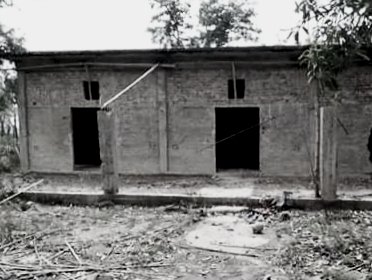
Al-Jamiyatul Islamia Daarul Ulum Redah is an important religious and educational institution located in Aung Seik Pying village, also known as Redah, in Maungdaw Township, Arakan State, Myanmar.
According to the historical family account, the institution was established by Mufti Sultan, who was born in 1268 (Hijri, as recorded in the family history). He devoted his efforts to educating villagers and teaching them about Islam.
Beyond his educational contributions, Mufti Sultan reportedly stood up to the Myanmar authorities in defence of the community’s right to practise Islam.
His dedication to religious education, community service, and the protection of Islamic traditions represents an important chapter in the history of Rohingya religious and educational development.
A preserved historical document associated with Mufti Sultan provides another valuable connection to the institution’s past. It serves as a reminder of his contribution to Islamic education and the religious development of the people of Redah.
Ashraf Miah: A Historical Headman of Kuinna Para (1907–1949)
Ashraf Miah was a respected community headman who served Kuinna Para from 1907 to 1949, during the periods of British and Japanese rule in the region.
Throughout his leadership, he dedicated himself to serving his community and working for the welfare of its people. His long period of service reflects the important role traditional village leaders played in maintaining community relationships, addressing local concerns, and supporting village development.
A historical appointment card addressed to his son, Saleh Ahamed, calling him to India, has been preserved by the family. This document provides a valuable connection to the family’s past and offers insight into the historical circumstances and movements of people during that period.
Salai Ahammad: A Dedicated Leader of Kunnapara Village
Salai Ahammad, son of Ashorof Mia, was a respected community leader of Kunnapara village. Following his father’s death in 1949, he assumed his father’s responsibilities as village headman and continued serving the community.
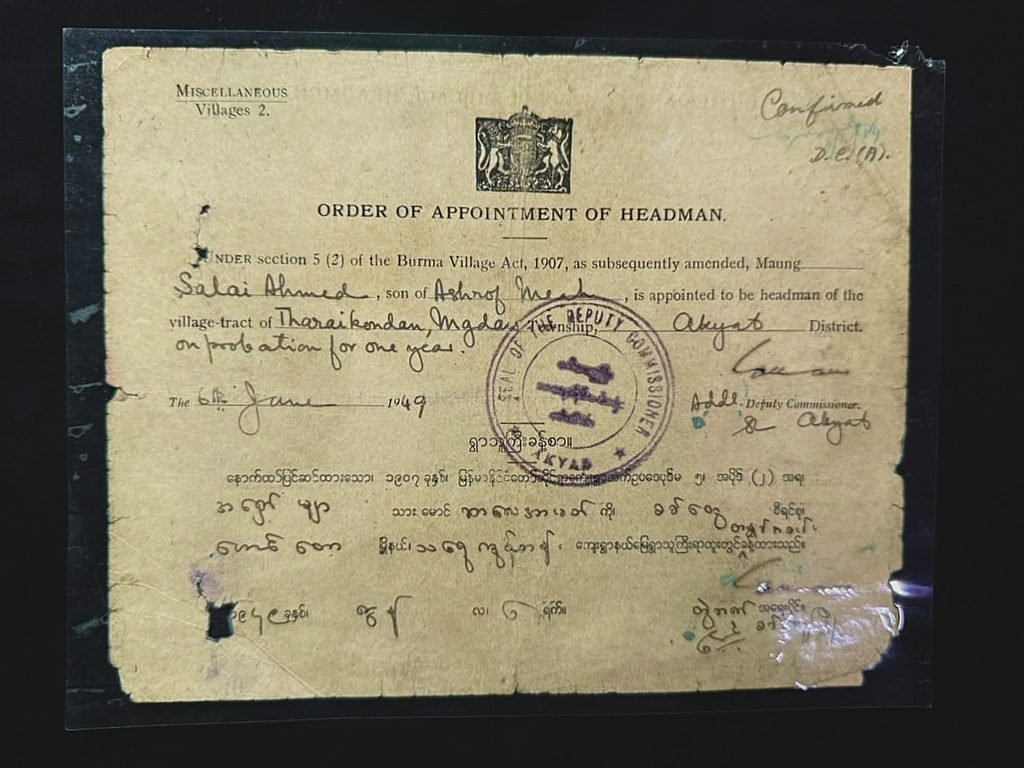
During his leadership, Salai Ahammad worked to improve the living conditions of villagers and contributed to the development of essential community facilities.
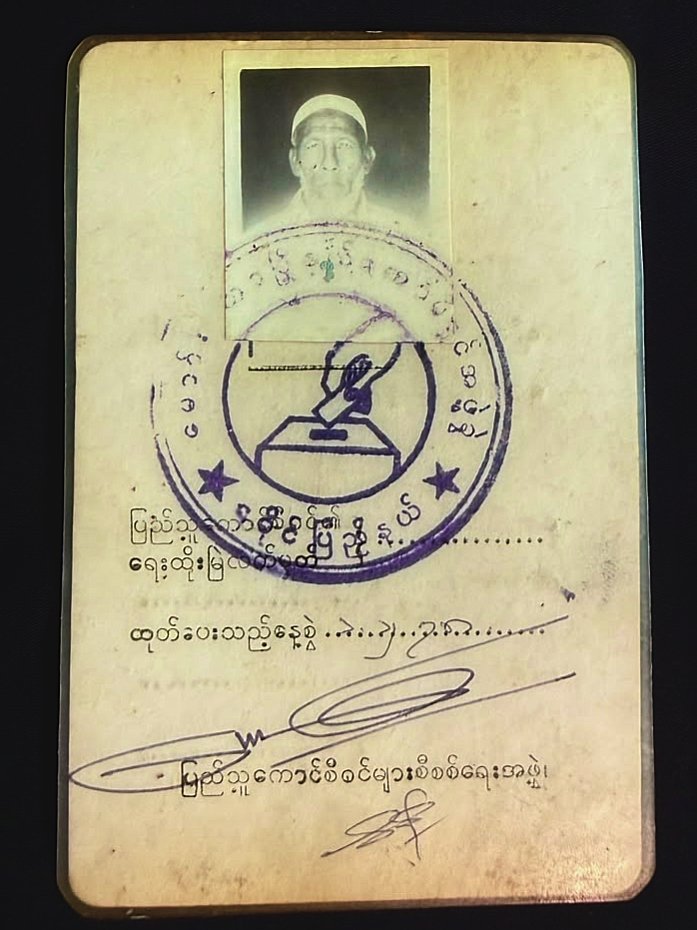
As village headman, Salai Ahammad used his own money and land to build a primary school, a major road, and the small village of Baina Fara for his community. During the 1978 Nagamin operation, he also helped protect villagers from arrest and persecution, demonstrating his dedication to community development and the safety of his people.
Among his reported contributions were:
- Education: Establishing a primary school to provide children with access to education.
- Religious Development: Constructing a mosque to serve the spiritual needs of the community.
- Infrastructure: Establishing a major road through the middle of the village to improve communication and accessibility.
These contributions demonstrate his commitment to education, religious life, infrastructure, and community welfare.
His leadership remains an important part of Kunnapara’s local history and the broader heritage of the Rohingya people.
A Historical Banknote from the Era of Ashraf Miah and Salai Ahammad
A Japanese Invasion Money half-rupee banknote issued in 1942 during the Japanese occupation of Burma (now Myanmar) has been preserved by the family.
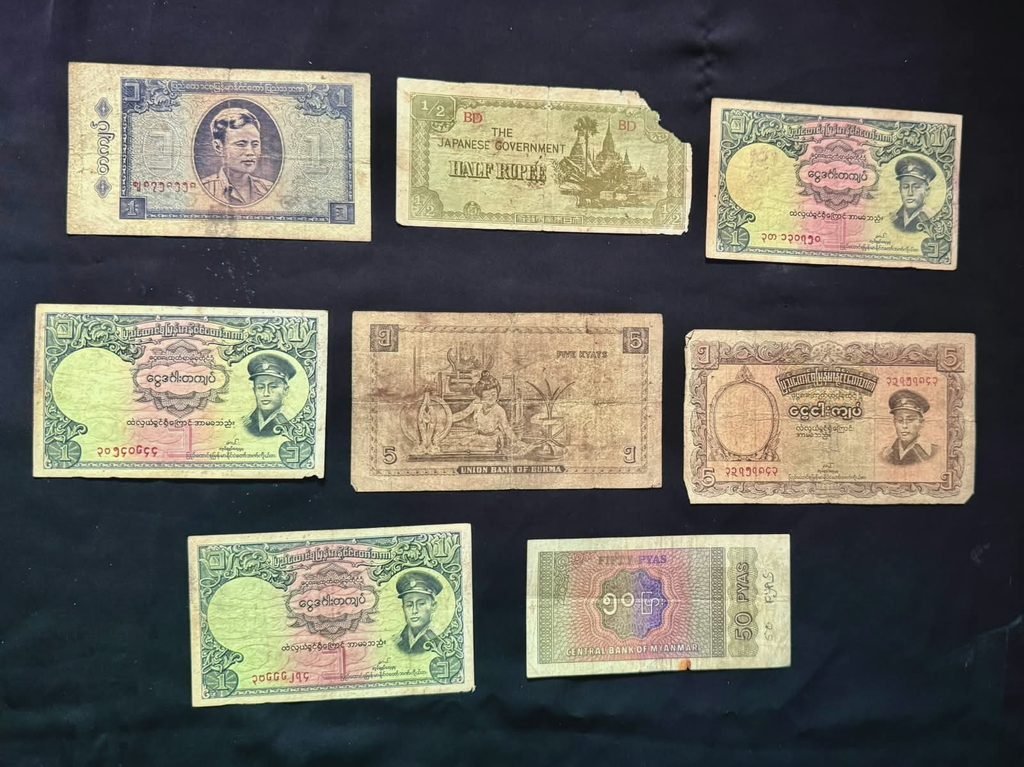
At that time, Ashraf Miah was serving as the village headman, while the region was experiencing significant political and historical changes.
This banknote is more than an old piece of currency. It represents a connection to a particular period in the history of Burma and provides a glimpse into the economic and political circumstances experienced by local communities.
As a preserved historical artifact, it connects the leadership era of Ashraf Miah and the subsequent generation of Salai Ahammad with the wider history of the region.
The family has also carefully preserved various historical documents belonging to Ashraf Miah, his son Salai Ahammad, and their descendants.
These materials provide valuable evidence of family history, traditional leadership, and community contributions. Together, they help reconstruct parts of a history that might otherwise have disappeared.
Mv. Rohim Ullah: Guardian of His Family’s History
Mv. Rohim Ullah, an Islamic teacher and grandson of Salai Ahammad,He was born on 1336. he was associated with several local community and professional organizations in Maungdaw and Buthidaung, including the Buthidaung Maungdaw Regional Development Association and the Maungdaw Border Trade Chamber of Commerce.
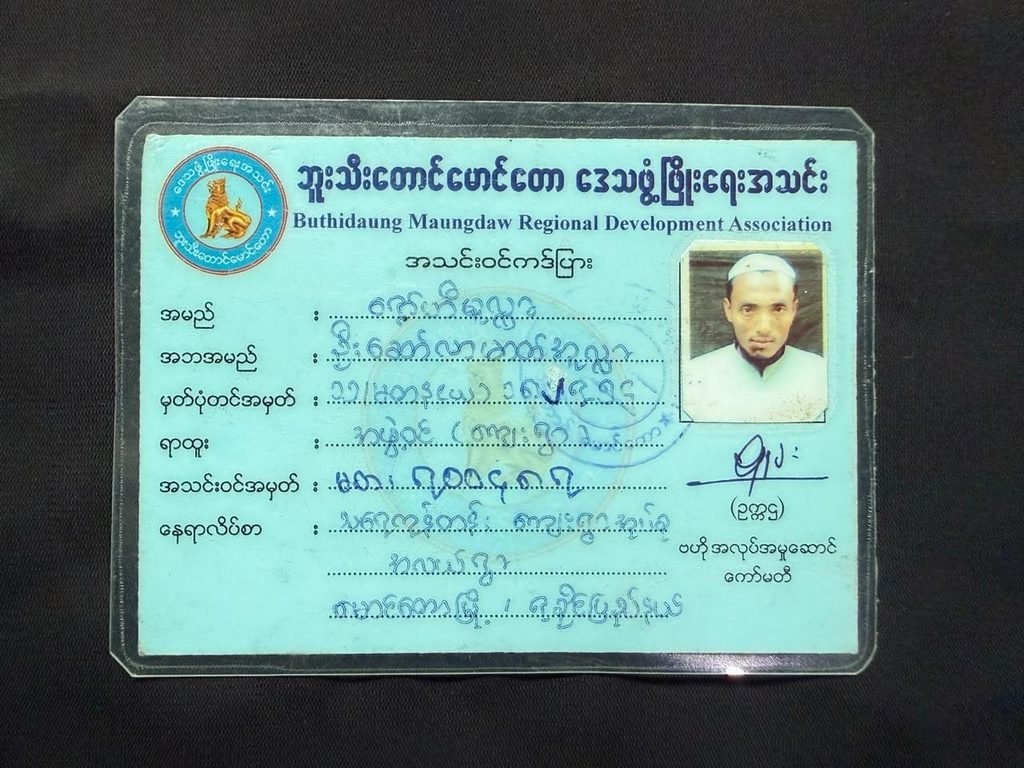
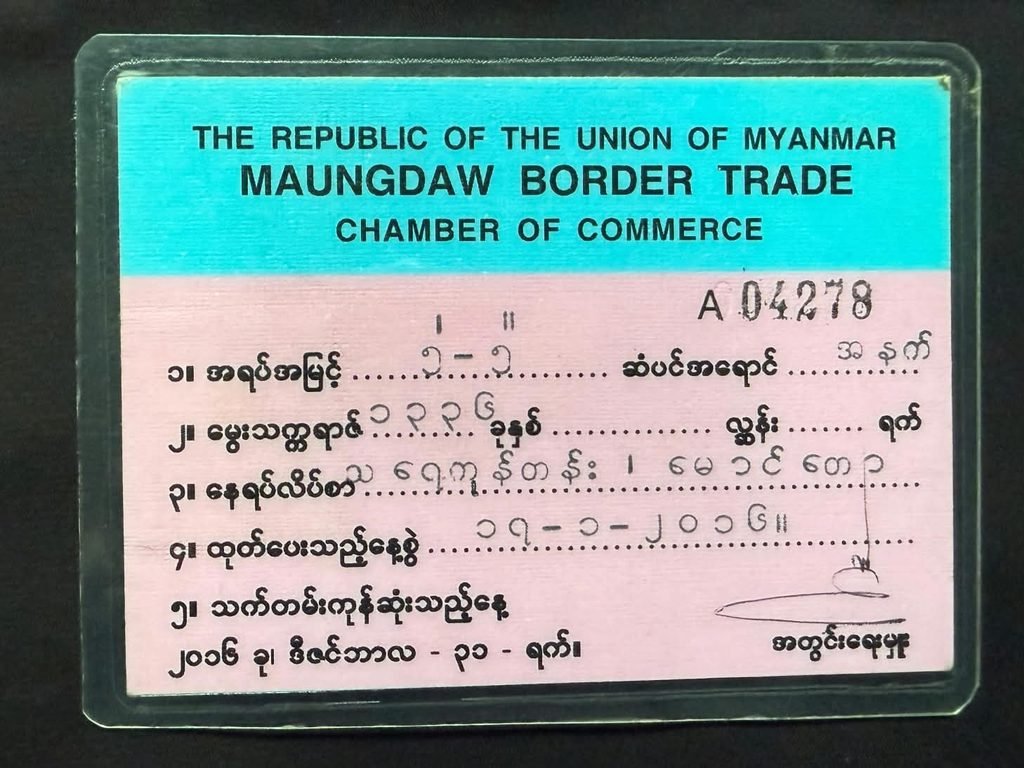
Despite the many difficulties associated with displacement, he has carefully protected valuable family documents and historical materials.
Today, he lives in the refugee settlement in Bangladesh, carrying with him the memories, records, and heritage of his ancestors.
His efforts demonstrate that preserving history does not require living in one’s homeland. Even in displacement, individuals can protect their identity and pass their ancestors’ stories to future generations.
Mv. Rohim Ullah’s dedication makes him an important guardian of his family’s historical legacy.
Fozol Ahammad: A Record of Rohingya Youth and Community Engagement
A historical membership card belonging to Fozol Ahammad, son of Nozir Ahammad, provides another valuable record of Rohingya community history.
Born in 1967, Fozol Ahammad was originally from Four Mile Village, Maungdaw Township, Arakan, Myanmar.
The card identifies his association with the Students and Youth League for May Yu Development (Arakan).
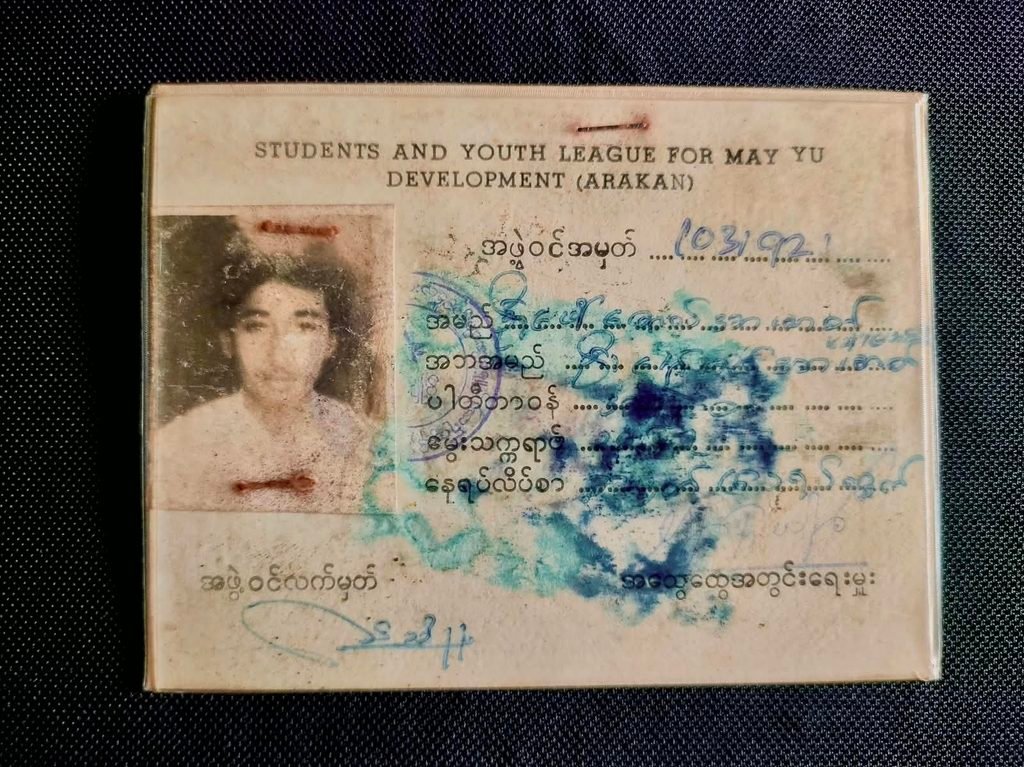
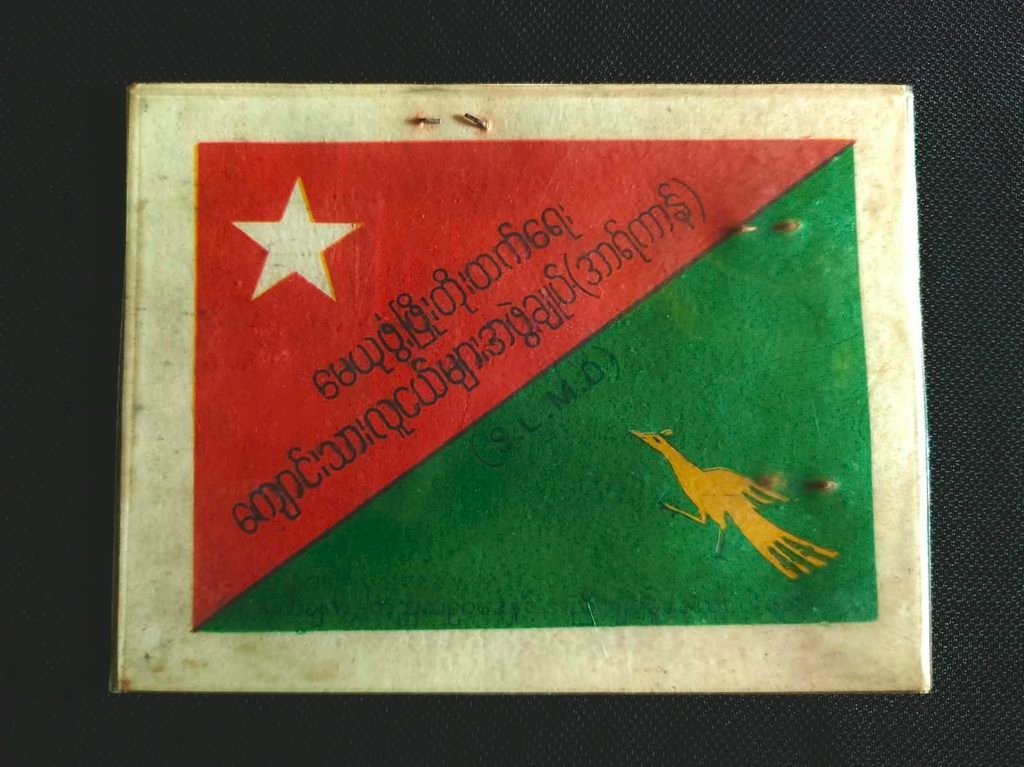
This historical record offers insight into the participation and organisational involvement of Rohingya youth in community-related activities.
Such documents are important because they preserve evidence of the social, educational, and organisational experiences of earlier generations.
Conclusion
The stories of U Nobi Huson, Mufti Sultan, Ashraf Miah, Salai Ahammad, and other remarkable individuals remind us that Rohingya history is built upon courage, sacrifice, faith, education, leadership, and service to humanity.
Their contributions helped shape communities, strengthen religious institutions, promote education, and preserve the traditions of generations before us. Their descendants, who continue protecting family documents and ancestral memories despite displacement, are carrying this legacy forward.
These historical records are more than personal possessions. They are valuable pieces of our collective identity, connecting present generations with their ancestors and ancestral homeland.
We must recognise that preserving history is not the responsibility of a few families alone. It is a collective responsibility that requires the participation of historians, researchers, educators, community leaders, and younger generations.
Our ancestors left us a legacy. We must ensure that future generations inherit their stories, understand their identity, and remember their contributions.
Our history must not disappear with the passage of time. Let us preserve it today, so that tomorrow’s generations will never have to ask whether their ancestors existed, what they achieved, or what they contributed to the world.