
By Mohammed Shohaib
Introduction
A home is more than a place to live. It is where families build memories, children grow up and people feel they belong. For the Rohingya people, however, home has become a distant dream. Many families have spent years away from their homeland, while a new generation is growing up in refugee camps without knowing when they will return.
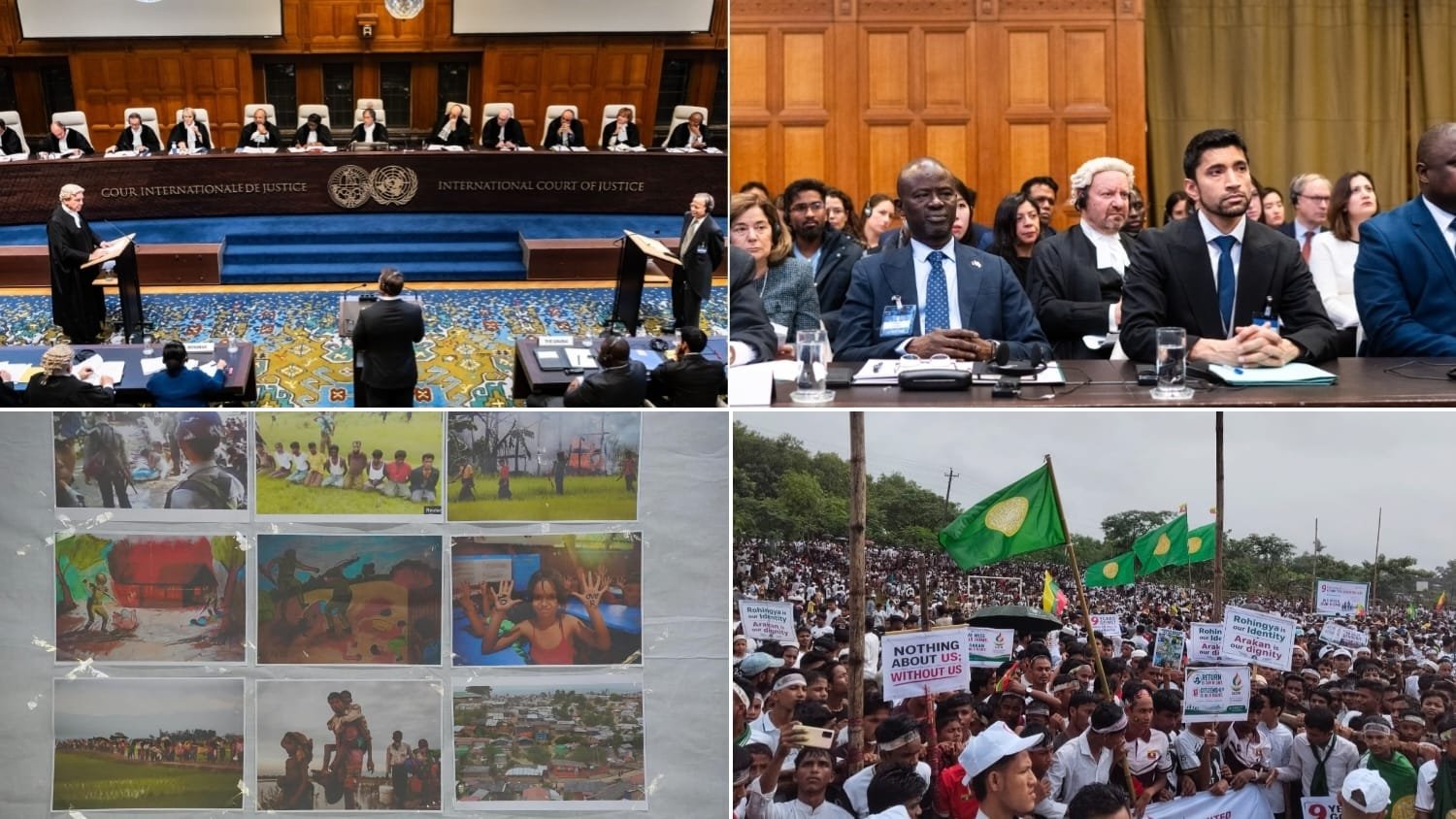
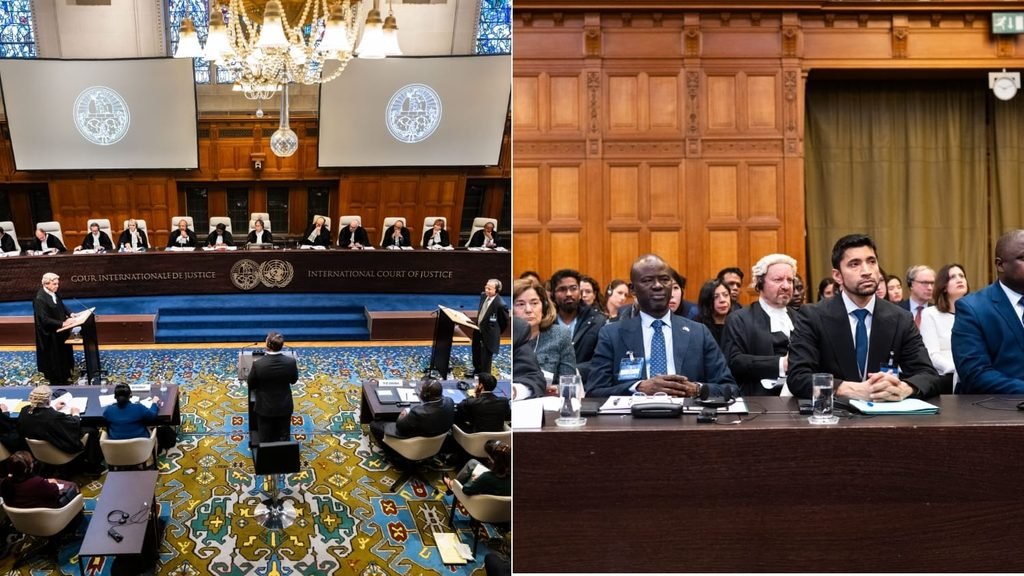
As 19 November, 2026 approaches, many Rohingya people are looking towards the International Court of Justice (ICJ), which is scheduled to deliver its judgment in the case brought by The Gambia against Myanmar under the Genocide Convention. For us, this moment represents more than a court decision. It carries hopes for justice, recognition and a better future.
A generation growing up in displacement
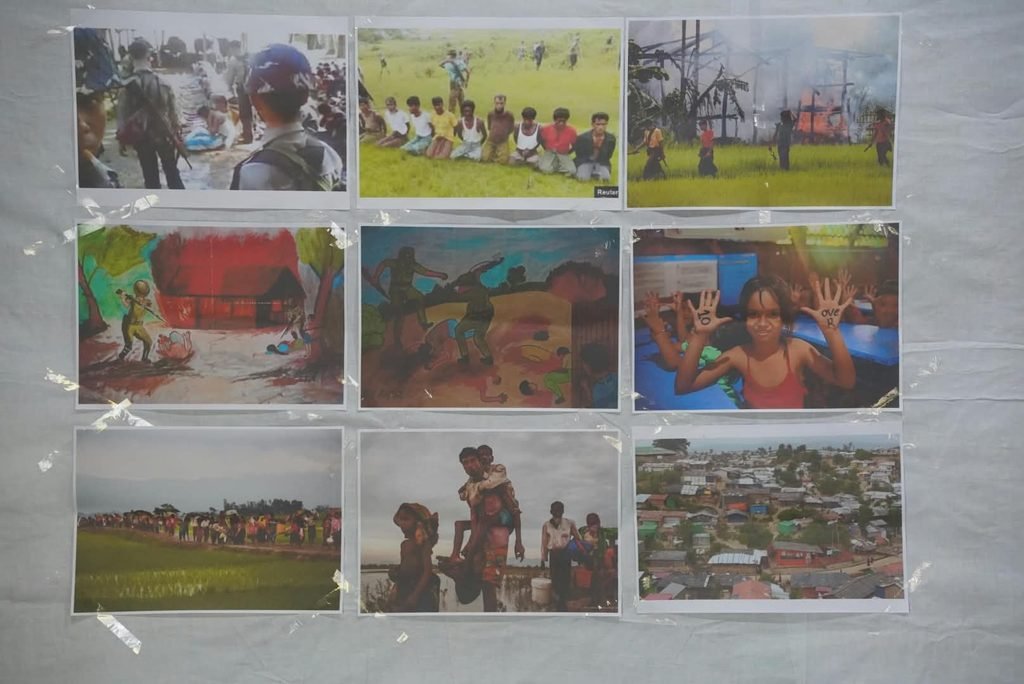
Since the mass displacement of 2017, thousands of Rohingya families have been living in refugee camps in Bangladesh. Many children have spent most of their childhood in displacement. Some have never seen the villages their parents describe or experienced the life their families once had.
During a recent conversations with Rohingya community members, one mother expressed her hope that her children would grow up with dignity and have access to education and healthcare. This is a simple but important wish. Every child deserves an opportunity to learn, develop and build a future.
We do not want our children’s lives to be defined by uncertainty, limited opportunities and displacement.
Our hopes for justice and recognition
For many Rohingya people, the upcoming ICJ judgment is an important moment in the long struggle for justice. They hope the Court will recognise the suffering of the Rohingya and establish Myanmar’s responsibility under the Genocide Convention.
One woman shared a powerful concern about the loss of identity and history:
“We are people with a history but Myanmar is trying to erase it.”
Her words remind us that our struggle is not only about returning home. It is also about protecting our identity, history and recognition.
A young Rohingya man also expressed the hope that the community would regain its rights and have a meaningful role in government and decision-making. Justice should include the opportunity for people to participate in decisions affecting their own future.
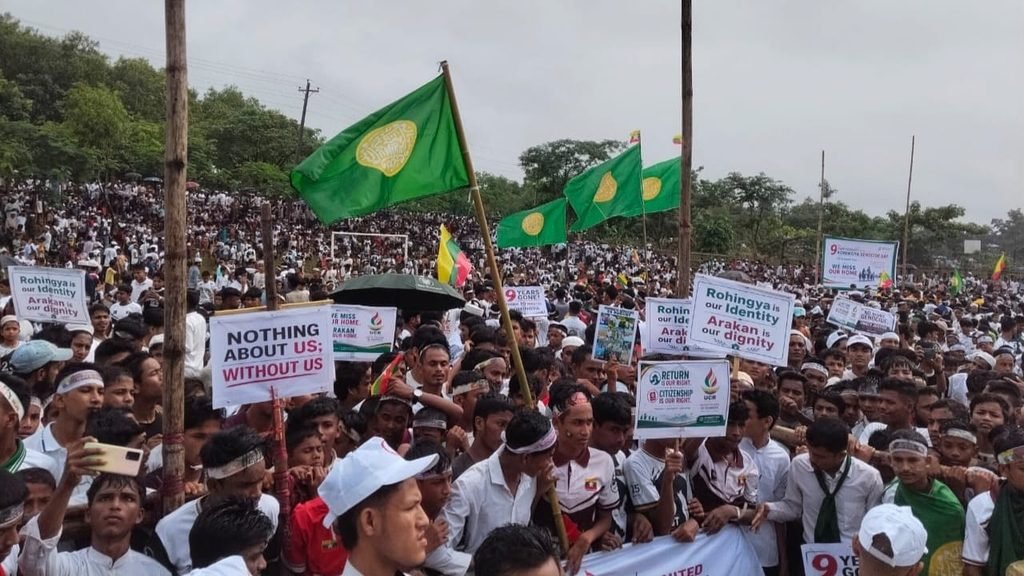
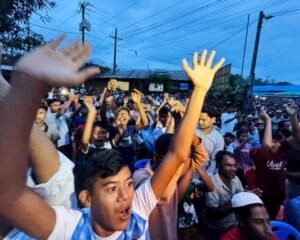
Photo credit: Mohammed Sohaib
Our dream is to return home safely
For many Rohingya families, returning to Arakan remains one of our greatest hopes. But returning is not simply about crossing a border. It must mean living safely, enjoying citizenship, moving freely and rebuilding a peaceful life.
An older Rohingya man expressed his wish simply:
“I only want to return to my village safely and spend my time peacefully.”
A community religious leader also expressed hope for citizenship and respect, emphasising the importance of pursuing justice peacefully. As he said:
“We ask for justice with patience not with anger.”
These voices remind us that people want to live with dignity, security and equal rights.
Remembering those who are still afraid
The Rohingya crisis is not only about what happened in 2017. Some families have arrived in Bangladesh much more recently after experiencing insecurity and displacement.
A recently displaced woman expressed concern for her family’s safety and for others who have fled their homes. She also raised concerns about violence involving the Arakan Army, which she described as a second wave of genocide. These are her concerns and allegations, not findings of the ICJ case.
Her message was particularly important:
“Please think of the people who only just arrived in the camp. We are still afraid.”
Their experiences should not be forgotten. Every family deserves protection, humanitarian assistance and the opportunity to live without fear.
Beyond 19 November
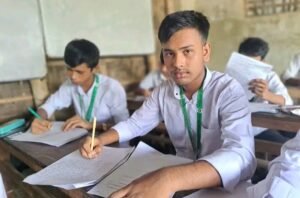
As a young Rohingya student, I often think about the future of our generation. We want to become teachers, doctors, researchers, journalists and community leaders. We want opportunities to study, develop our abilities and contribute positively to society.
However, one court judgment cannot automatically restore our citizenship, guarantee our return or solve every challenge. The international community must continue supporting accountability, protection, equal rights and safe, voluntary and dignified return.
Our parents dream of returning to their villages. Our young people dream of education and opportunities. Our children deserve a future where they can live with identity, freedom and dignity.
We are not asking for special treatment. We are asking for the fundamental rights that every human being deserves.
Justice must lead to a better future
For the Rohingya, justice is not only about recognising past suffering. It is also about making sure that future generations do not experience the same discrimination, fear and displacement. Children should not have to grow up wondering why they cannot return to their homeland or why they are denied opportunities that other children take for granted. They deserve access to quality education, healthcare, freedom of movement and the right to live with dignity. Families who have spent years in refugee camps should have a real chance to rebuild their lives. The international community must ensure that the voices of Rohingya people are not forgotten after the judgment. Recognition is important, but it must be followed by meaningful action. We need a future in which our children can make their own choices, pursue their dreams and live without the uncertainty that has shaped our lives for so many years.
We do not want another generation to grow up without a home. We want the next generation to inherit peace, dignity and opportunity, not displacement and uncertainty.
About the author
Mohammed Sohaib
Rohingya Youth Advocate & Student | Interpreter | Journalist | Genocide Survivor | Digital Learning | Truth > Silence | Future Changemaker