
By Ro Muhammed Kaiser, Member of RPS
Edited by RB Hafizu
Azizul Hoque – A Dream Inspired by Science and Family
Azizul Hoque was born on 1 January 2011 in Kyet Yoe Pyin, a village in northern Maungdaw, Myanmar. He is the son of U Hashim and Daw Hasina.
His childhood changed in 2017, when violence forced his family to leave their homeland and seek safety in Bangladesh. Like thousands of other Rohingya families, they faced a difficult journey, crossing the Naf River in overcrowded boats and continuing on foot before finally reaching Bangladesh.
At the time, Azizul was only a young child. Despite being displaced from his homeland, he continued to pursue education and develop ambitions for his future.
He studied from Grade 2 to Grade 6 at Life Destination High School, where he achieved first position in Grades 5, 6 and 7. He is currently studying in Grade 8 at Rohingya Ideal Private School in Cox’s Bazar.
Among his school subjects, science is his favourite.
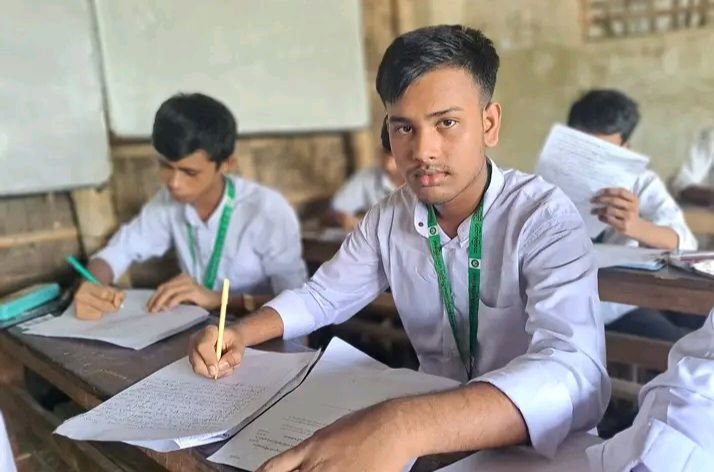
“I like Science the most because I understand it more easily than other subjects,” Azizul explained.
His interest in science is closely connected to his ambition to become a physicist. He says his older brother inspired him to pursue this dream. His brother is a doctor, but according to Azizul, he could not pursue higher education in Myanmar.
His brother’s experience has encouraged Azizul to think beyond the educational limitations that have affected many Rohingya families.
Azizul also dreams of becoming a good teacher. He wants to gain knowledge and share it with younger generations, particularly students who face difficulties continuing their education.
However, his educational journey is not without challenges.
He studies approximately seven hours every day, but overcrowded classrooms make learning difficult. During hot weather, uncomfortable classroom conditions affect students’ ability to concentrate. The monsoon season also creates difficulties at both school and home.
When asked what support he needs to continue his education, Azizul highlighted the importance of access to a high-quality educational institution and a peaceful learning environment.
For him, achieving his ambition is not only about personal success.
“My biggest educational challenge is achieving my goals and becoming a role model for the Rohingya community,” he said.
His ambition reflects a desire to overcome educational barriers and demonstrate what Rohingya students can achieve when they receive opportunities to learn.
Rahaman Ullah – A Student, Teacher and Future Businessman
Rahaman Ullah was born on 1 January 2009 in Myanmar and originally lived in Maungdaw Township, Rakhine State. He now lives with his family in Kutupalong, Cox’s Bazar, Bangladesh, and studies in Grade 8 at Life Destination High School.
Unlike many students who can focus mainly on their studies, Rahaman must balance education with work and family responsibilities.
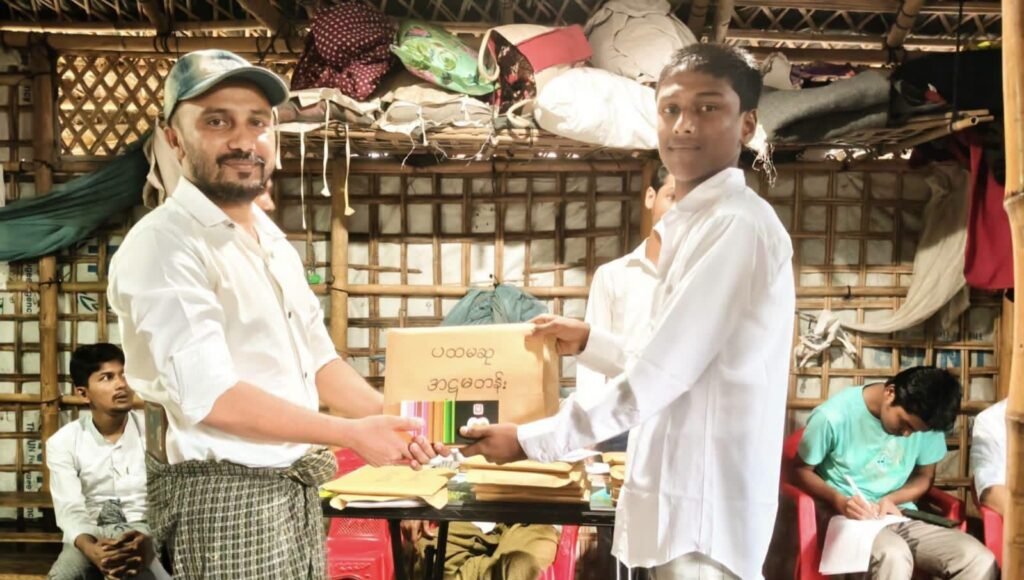
He teaches approximately 30 children in his community, including 15 girls and 15 boys, aged between five and twelve. Teaching has become an important part of his daily life, allowing him to earn money while sharing knowledge with younger children.
His daily schedule is demanding.
He studies from 5:00 AM to 8:00 AM, teaches from 9:00 AM to 2:00 PM, and continues studying from 3:30 PM to 5:00 PM. In the evening, he attends private classes from 6:00 PM to 8:00 PM.
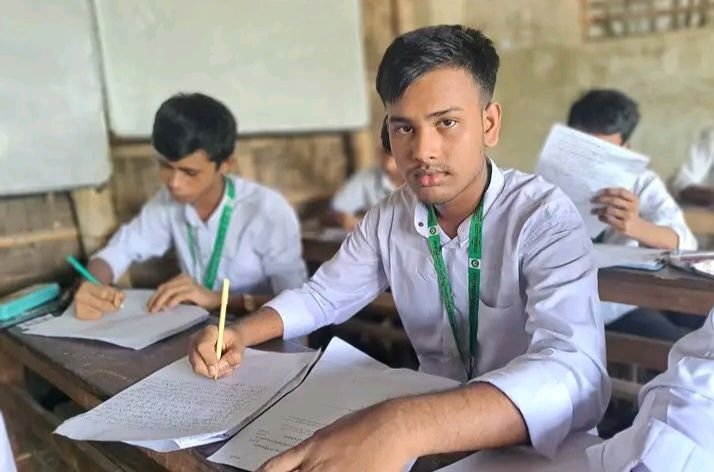
“Managing both teaching and studying is challenging,” he explained.
Through his teaching work, Rahaman earns approximately 10,000 Bangladeshi Taka per month. He uses this income to contribute to his educational expenses and support his family.
However, his monthly educational expenses are approximately 15,000 Taka. His family also needs around 250 Taka daily for food and other essential household needs.
These financial pressures make continuing his education difficult.
Rahaman worries about what would happen if he lost his teaching job. He understands that there are very few income opportunities in his community, and losing his current source of income could make it extremely difficult to pay for his education.
Despite these challenges, he remains determined to continue studying.
“My parents are my greatest motivation. They never had the opportunity to receive an education, and I have witnessed the difficulties they have faced in life,” he said.
He explained that his parents’ lack of educational opportunities contributed to many challenges in their lives, including losing their home.
“I want to become educated so that I can build a better future for myself and my family.”
For Rahaman, education is not simply a way to obtain academic qualifications. It is an opportunity to change his circumstances and help his family live a better life.
The Daily Struggle Behind Their Education
Although Azizul and Rahaman attend school and work toward different ambitions, their educational experiences reveal some of the difficulties faced by Rohingya students.
Azizul’s main concerns include overcrowded classrooms, uncomfortable learning conditions and limited access to a suitable educational environment.
For a student who wants to pursue higher education in science and physics, access to quality teaching and further learning opportunities is particularly important.
Rahaman faces a different challenge. He must divide his time between studying, teaching younger children and attending private classes.
His daily routine leaves little time for rest. Nevertheless, he continues because his teaching income helps him pay for his education.
His financial situation also highlights the difficult choices some students face: whether to continue studying or spend more time earning money to meet their educational and household needs.
Both students want to continue their education beyond Grade 8, but they understand that their future opportunities depend on more than personal determination.
They need supportive educational institutions, qualified teachers, learning materials and financial assistance.
Their experiences show that many Rohingya students are not lacking ambition. Rather, they are struggling to access the opportunities needed to turn their ambitions into reality.
Family Sacrifices and the Motivation to Learn
Behind both students’ educational journeys are families making sacrifices to support their children’s future.
For Azizul Hoque, his father, U Hashim, works in Malaysia doing daily labour to support the family and contribute to his son’s education.
Although they are separated by distance, his father’s efforts remain an important source of encouragement.
Azizul understands that his father’s work and financial support are part of the sacrifices being made for his future. He wants his education to become something meaningful for his family and community.
His older brother has also influenced his educational ambitions. Seeing his brother’s experience has encouraged him to pursue higher education and explore opportunities that were not available to previous generations of his family.
Rahaman Ullah’s family faces different financial pressures.
His father transports small fish to other places to earn money and support the household. Their income is limited, and paying for Rahaman’s education can sometimes be difficult.
When necessary, his father has borrowed money to help him continue studying.
Rahaman also contributes financially through his teaching work. His earnings help cover part of his educational expenses, reducing some of the pressure on his family.
For him, his parents’ experiences are a constant reminder of why education matters.
The sacrifices made by both families demonstrate that education is not only an individual journey. It is also connected to the hopes and efforts of parents who want their children to have opportunities they themselves never received.
Two Different Dreams and Their Plans for the Future
Although Azizul and Rahaman share a commitment to education, their ambitions lead them toward different professional paths.
Azizul wants to become a teacher and physicist, while Rahaman hopes to become a successful businessman.
Azizul: Exploring Science and Sharing Knowledge
Azizul’s interest in science has encouraged him to pursue physics. He wants to understand the world through scientific knowledge and eventually share what he learns with others.
His ambition to become a teacher is equally important. He hopes to encourage younger Rohingya students, especially those who face difficulties accessing education.
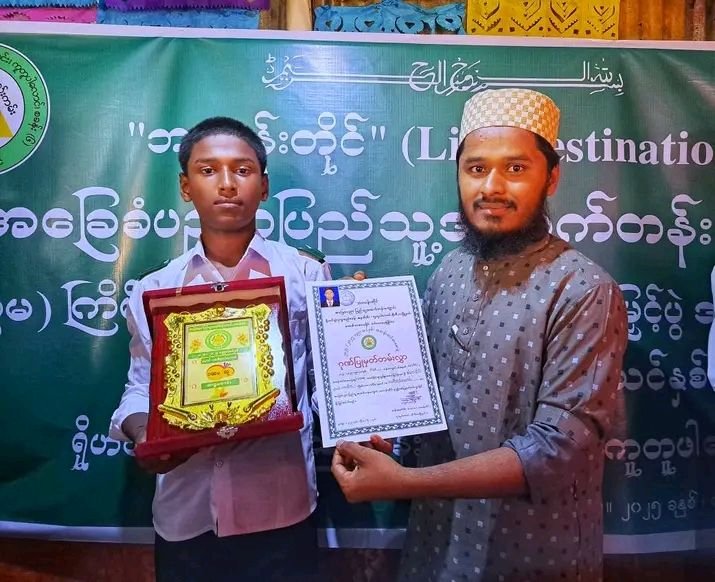
He believes that becoming educated can help him serve as a positive example for his community.
His brother’s experience has also strengthened his determination to pursue higher education. Azizul wants to reach a level of education that previous generations in his family could not fully access.
Rahaman: Building a Business and Creating Opportunities
Rahaman has a different vision for his future.
He dreams of establishing his own clothing brand and a business connected to modern technological products.
He wants to become financially independent, support his parents and create employment and business opportunities for others.
His ambition goes beyond earning money.
When asked how he would help other Rohingya people if he became financially successful, he explained that he would support families facing serious financial difficulties, particularly those struggling to afford basic necessities such as clothing.
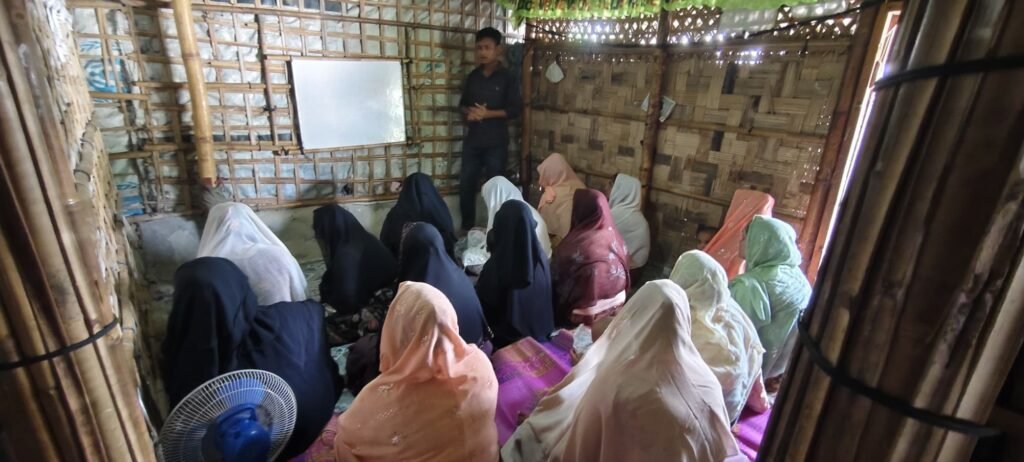
A special meeting for Rohingya women “When you educate a woman, you educate a whole generation.”
He also wants to help children whose education has been interrupted because their families cannot afford the costs.
“I want to give them opportunities to learn and build a better future,” he said.
Rahaman’s ambitions demonstrate how his own experiences with financial hardship have influenced the kind of businessman he hopes to become.
For him, success would mean having the resources to improve not only his own family’s circumstances but also the lives of other people in his community.
Educational Barriers Facing Rohingya Students
The experiences of Azizul and Rahaman highlight broader educational challenges affecting Rohingya students living in refugee camps in Bangladesh.
Despite their determination, many young people face limited access to quality education, financial difficulties, overcrowded classrooms and uncertainty about opportunities for higher studies.
For Azizul, access to a peaceful learning environment and a high-quality educational institution is essential for pursuing his ambition in physics.
For Rahaman, the lack of practical learning opportunities is a major concern.
He believes Rohingya students need better access to Information and Communication Technology (ICT), including computers, computer training and modern educational facilities.
“Today, technology is essential, but many students in our community lack access to computers and practical technology education,” he explained.
He also believes community schools should have opportunities to provide education up to Grade 12.
These opportunities would help students develop the knowledge and practical skills needed for higher education, employment and future careers.
Both students’ experiences raise an important question: how can young people prepare for professional careers when they have limited access to the educational facilities and opportunities needed to pursue them?
Education should provide students with more than basic classroom learning. They also need opportunities to explore their interests, develop practical skills and prepare for higher education.
For Rohingya students, these opportunities could make a significant difference in shaping their futures.
Their Appeal to International Organizations
Beyond their personal ambitions, both students want greater attention to the educational needs of Rohingya children and young people.
Azizul strongly wishes to continue his education in a high-quality institution outside the refugee camp, where he believes he could have access to a peaceful learning environment and better opportunities for higher studies.
“I do not want to continue my education inside the refugee camp because I believe the camp environment is not suitable for me or for other Rohingya students who wish to pursue higher education,” he said.
He appealed to international organizations to support his educational journey.
“If international organizations can support my educational journey or help me transfer to an institution outside the camp or in another country, I sincerely request their assistance.”
His request reflects his desire to continue learning and achieve his ambition despite the limitations surrounding his current circumstances.
He also wants to make a meaningful contribution to the Rohingya community through education.
Rahaman, meanwhile, highlights the need for better educational opportunities within the community, particularly access to ICT education, computer training, modern learning facilities and education up to Grade 12.
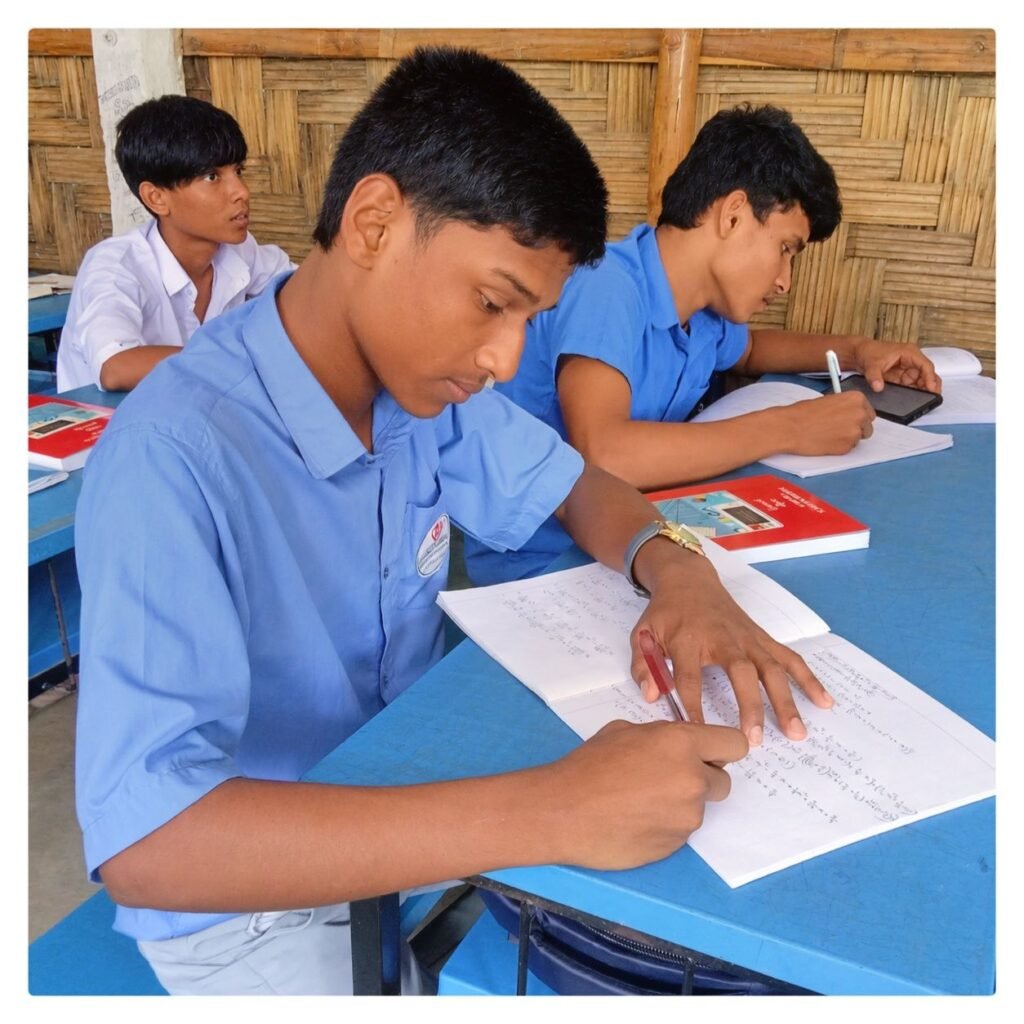
Azizul hoque concentrate on their lessons, complete exercises, and build knowledge despite limited educational resources.
Every page they write represents another step towards their dreams.
Their appeals reflect two connected needs: improving educational opportunities for Rohingya students within their communities and creating pathways for talented students to access higher education beyond the limitations they currently face.
International organizations, educational institutions and humanitarian agencies have an important role to play in supporting these aspirations.
For students like Azizul and Rahaman, educational assistance is not simply financial support. It can mean access to a learning environment, the opportunity to develop professional skills and a chance to pursue ambitions that otherwise remain out of reach.
A Message of Hope to Other Rohingya Students
Azizul Hoque and Rahaman Ullah’s experiences offer different but equally meaningful messages to other Rohingya students.
Azizul believes that education can help young people overcome limitations and work toward their ambitions. His own interest in science and his desire to become a physicist demonstrate how personal interests can shape a student’s future.
He wants other students to continue learning, believe in their abilities and work toward their goals, even when circumstances are difficult.
Rahaman’s experience offers another important lesson.
Despite balancing teaching, studying and financial responsibilities, he continues to pursue his education. He wants other Rohingya students to understand the importance of education and the opportunities that knowledge can create.
He also believes that students need access to modern education, particularly technology and practical skills, to prepare for the future.
Their experiences remind us that every student has different interests, responsibilities and ambitions.
Some dream of becoming teachers, doctors or scientists. Others hope to become entrepreneurs, engineers or professionals in different fields.
What matters is that they have the opportunity to explore their interests and develop the knowledge and skills needed to pursue their dreams.
Their stories also remind parents, teachers, educational institutions and international organizations that young people’s ambitions deserve encouragement and meaningful support.
The Future Is Still Being Written
Azizul Hoque and Rahaman Ullah are still young, and their journeys are far from over.
One dreams of becoming a teacher and physicist, inspired by his interest in science and his family’s experiences with limited educational opportunities.
The other hopes to establish a clothing brand and a technology-related business, using his future success to support his family and create opportunities for people facing financial difficulties.
Their paths are different, but their hopes share something important: both want education to become a foundation for a better future.
Their stories also challenge the way Rohingya students are often described.
They are not simply refugee children living in difficult circumstances. They are young people with individual talents, interests, ambitions and the determination to contribute to society.
Azizul’s interest in science and his ambition to pursue higher education show the importance of allowing students to explore their academic potential.
Rahaman’s daily commitment to teaching approximately 30 younger children while continuing his own studies demonstrates how some students are already contributing to their communities even before achieving their personal ambitions.
However, determination alone cannot overcome every barrier.
They need access to quality education, financial support, suitable learning environments and opportunities to pursue higher studies.
Their families have made sacrifices, and both students continue to work toward their goals. The next step requires meaningful support from educational institutions, organizations and those who believe in the potential of Rohingya youth.
A student’s future should not be determined by displacement, poverty or the circumstances into which they were born.
Azizul wants to explore the world through science and share knowledge with future generations.
Rahaman wants to build a business, support his family and help children who cannot afford an education.
Two students. Two different dreams. One shared hope: a better future through education.
Their stories deserve to be heard, their ambitions deserve to be supported, and their opportunities should not be limited by the circumstances surrounding their lives.
Because every Rohingya child deserves not only the opportunity to attend school, but also the chance to dream, achieve and contribute to a better future.